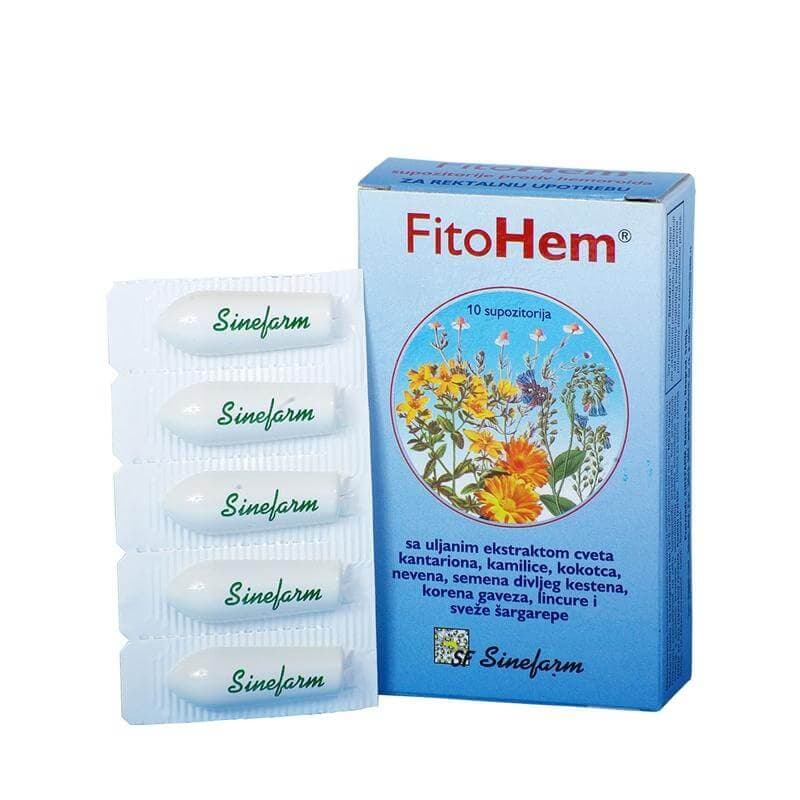
St. John's wort flowers contain colored substances: up to 0.4% hypericin, flavonoids, up to 0.3% ether oil with terpenes, and up to 10% tannin. The herb (flower with a stem) contains up to 3% hyperforin, a substance with antibiotic action. Saint John's wort has an antiseptic, anti-inflammatory, sedative, analgesic and epithelizing effect, and is used traditionally for burns, for healing wounds, ulcers and hemorrhoids. Nourishes and protects sensitive skin prone to allergies. Helps remove bruises.
Calendula is antiphlogistic, epithelizing, spasmolytic and antimicrobial. It is most often used externally for wound healing and rapid epithelization of damaged tissue. It helps with purulent inflammations of the skin, for dressing wounds, with varicose veins and dermatitis of various etiologies.
Calendula oil extract exerts an antiphlogistic effect by inhibiting the infiltration of leukocytes, inflammatory processes and helps granulation and epithelization of tissue.
The antiphlogistic effect is most probably related to the presence of prostaglandins of type E-1.
Fresh carrot oil extract as a natural source of vitamins A, D and E, which are found in sufficient quantity to promote the revitalization of the damaged epithelium of the mucous membrane or skin and prevent bacterial and fungal infections.
Chamomile - active substances of chamomile extract (hamazulene, bisabolol, matricin) exhibit antiphlogistic, ulcer-protective, antiseptic, bactericidal and fungicidal effects.
Kotac is an anticoagulant and is used for chronic insufficiency of veins (manifested as pain and heaviness in the legs with night cramps, itching and swelling), for hemorrhoids (especially those that bleed), inflamed lymph nodes and similar conditions where it is necessary to correct the disorder of blood vessels and bleeding.
Due to the high content of escin (triterpene saponin), horse chestnut seed extract is mostly used for thrombophlebitis, varicose veins, hemorrhoids and for increasing vein tone. It is often used as a salve in the postoperative treatment of insufficient veins.
Comfrey root is an astringent, hemostyptic, helps heal wounds and exchange substances in cells. For this reason, it is used for hemorrhoids, especially inflamed and bleeding ones, then hematoma, and due to the content of allantoin, it helps faster epithelialization and tissue granulation.
Active substances from the oil extract of these plants increase the resistance of the walls of blood vessels, reduce their permeability, eliminate swelling, pain and itching in the anorectal region (hemorrhoids, fissures of the anus and surrounding skin).